



















































“The Essential Differences Between Self Propelled and Attendant Propelled Wheelchairs”
4Mobility WAAs we age or face mobility challenges, the need for reliable walking aids becomes more evident. Among the various options available, wheelchairs stand out as indispensable tools for mobility. However, the choice between self propelled and attendant propelled wheelchairs can be daunting. Understanding the essential differences between these two types of wheelchairs will help in making an informed decision tailored to personal needs.
What is a Self Propelled Wheelchair?
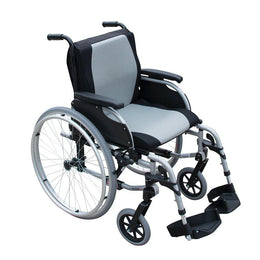
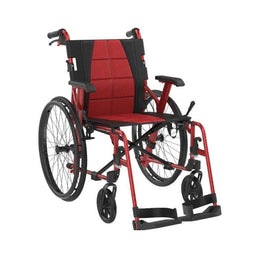
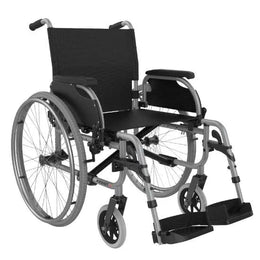
Self propelled wheelchairs are designed for individuals who have the strength and ability to maneuver themselves without assistance. They typically feature large rear wheels with a handrim, allowing the user to push themselves forward. This type of wheelchair fosters independence, as users can move at their preferred pace and route.
- Pros: Self propelled wheelchairs promote autonomy, are often light weight, and many models are foldable for easy transport.
- Cons: They require upper body strength and can be tiring over long distances.
What is an Attendant Propelled Wheelchair?
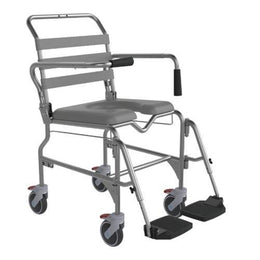
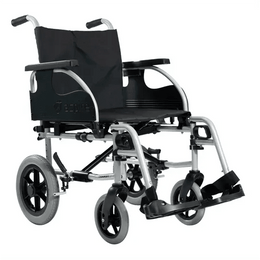
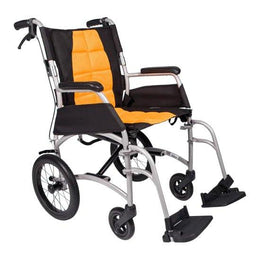
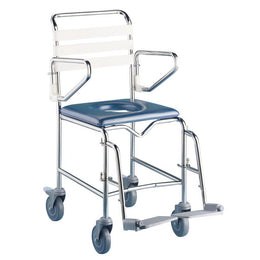
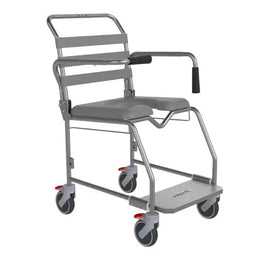
Attendant propelled wheelchairs, also known as transport wheelchairs, require another person's assistance to push. They feature smaller rear wheels, making them suitable for users who are unable to propel themselves or prefer to be moved by a caregiver.
- Pros: Ideal for individuals who cannot self-propel, they're typically lighter and simpler in design.
- Cons: Dependence on another person and may not offer the same level of autonomy as self propelled options.
Complementary Mobility Aids

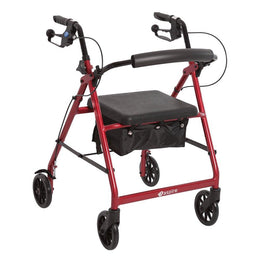
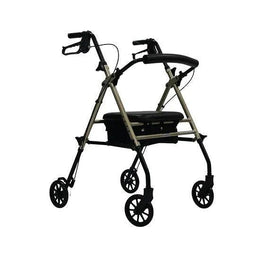
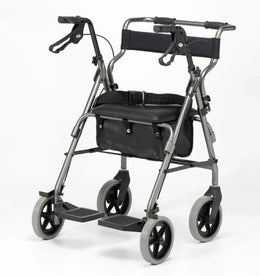
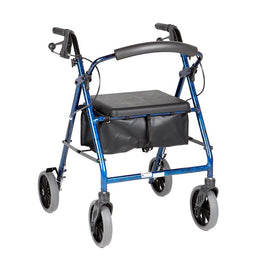
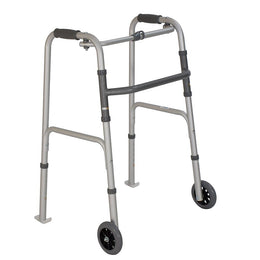
Choosing the right wheelchair is crucial, but pairing it with the right walking aids can enhance mobility even further. For instance, Aspire Tri Wheel Walker - Red and Aspire Stride Adjustable Seat Walker offer excellent support for those moments when a wheelchair is not required.
Incorporating a Walking Tutor - Heavy Duty with Brakes can also be beneficial for users needing robust support and safety features.
A Glance at Walking Aids
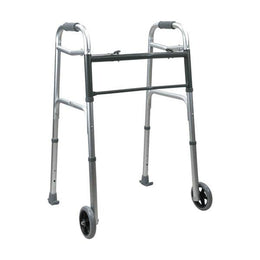
For those interested in exploring more types of walking aids, the WALKING AIDS collection showcases an array of products designed to cater to various mobility needs.
Innovations in Power and Electric Wheelchairs
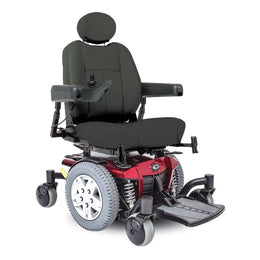
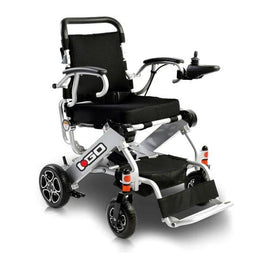
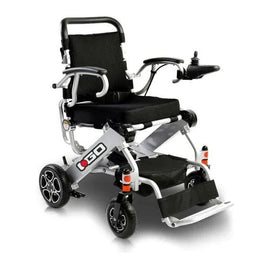
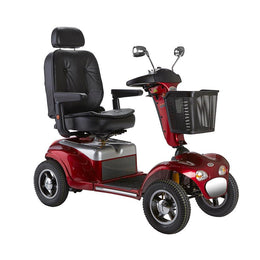
For those requiring a higher level of support, exploration into power or electric mobility wheelchairs can offer enhanced functionality and ease of use. Although not explicitly covered here, this category includes options that require little to no manual exertion and can come in heavy duty, bariatric models.
For further details on the range of mobility solutions, you can explore 4Mobility. Here, you’ll find an extensive collection of aids designed to improve your quality of life.
By understanding these essential differences and related mobility aids, individuals can better navigate their options and find the best fit for their lifestyle and mobility needs.


